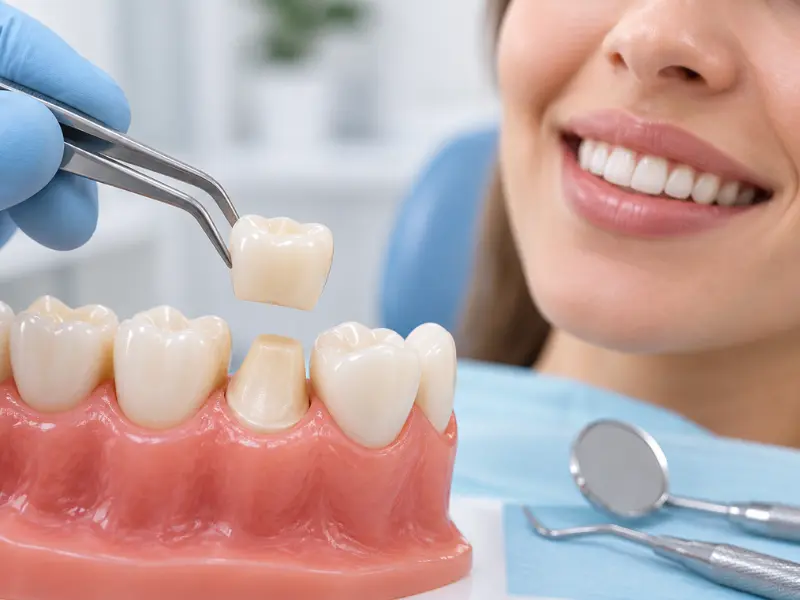


An unhealthy tooth is not just a concern about appearance; it may cause pain when biting, sensitivity to hot and cold foods, or even difficulties in cleaning. One method that dentists may use in repairing an unhealthy tooth where fillings and bonding will not work anymore is the dental crown. The crown covers the remaining part of the tooth and helps preserve it, while at the same time allowing the tooth to regain its function.
What Is a Crown?
A crown is a restoration that is made individually for the patient and covers major parts or the whole portion of a damaged tooth. This type of restoration is supposed to replace the entire part of the tooth in terms of appearance and size. A crown can also be placed on top of a dental implant.
When Might You Need One?
A dentist can suggest crowns for a tooth that is weakened due to tooth decay, a large filling, cracking, or trauma to the tooth.
Some of these conditions are as follows:
- The tooth has a large cavity.
- The tooth has a filling occupying a large part of the tooth.
- The tooth is cracked or heavily worn down.
- The tooth is fractured and requires support.
- The tooth has undergone a root canal treatment.
- The tooth restoration has to be replaced.
- The tooth implant requires an artificial tooth replacement.
How Does the Treatment Work?
The dental crown procedure usually involves several steps. The first step includes examining the tooth by a dentist to determine whether the restoration is right for the patient. In case there is any decay or infection, it will have to be cured before the restoration process starts.
The second step involves the preparation of the tooth. It requires shaping the tooth by removing a little bit of enamel in order to accommodate the restoration. An impression or a digital scan is made to record the shape and size of the restoration.
While some places use same day technology for the restoration process, others may need to send it to the laboratory for a custom-made restoration. At the last appointment, the dentist makes sure that the restoration fits well and the appearance of the tooth is good.
Types of dental crowns
There is no single material that works best for every patient. The choice can depend on the tooth’s location, bite, appearance, durability needs, and dentist’s recommendation.
Common options include:
Porcelain or Ceramic
These materials can closely resemble natural enamel. They are often considered when appearance is important, especially for visible teeth.
Zirconia
Zirconia is a strong ceramic material. It can be useful when both strength and a natural-looking result are important.
Metal
Metal restorations are known for their strength and resistance to wear. They may be considered for some back teeth, where chewing forces are higher.
Porcelain-Fused-to-Metal
This type of restoration consists of a metallic base and a covering material that matches the color of your teeth.
Your dentist will recommend the most appropriate material for your teeth.
What are the Benefits?
When a tooth is hard to use or protect, a properly fitted crown may be useful in restoring the tooth. The crown will cover the weak spots of the tooth and give a firm surface to bite and chew.
Advantages may include:
- Protecting a weakened tooth from damage.
- Restoring chewing ability.
- Enhancing the shape of a damaged or worn-down tooth.
- Supporting a tooth that has undergone extensive treatment.
- Improving the appearance of a discolored or damaged tooth.
- Achieving balance while chewing.
Caring for Your Restoration
Do not stop brushing your teeth at least twice per day and flossing. Regular visits to the dentist should not be missed as he or she will be able to examine the restoration and the tooth for wear, leakage, decay, or inflammation of the gums.
A few days may be required for you to get adjusted to your new bite. In case it feels too high after you have adjusted to it, contact your dentist’s office. Minor alterations in the bite can easily be fixed at your next appointment.
How Long Does a Crown Last?
The lifespan of a crown varies. They can last many years if they fit and are maintained well. Chewing, grinding, dental care, the materials used, and the health of the underlying tooth are some factors that determine longevity.
Do not use your teeth to open any package or hard materials. If you have bruxism problems, consult your dentist regarding the use of a mouth guard.
Is a Crown Always Necessary?
All cavities do not necessarily require crowns. Dentists normally take into consideration the amount of natural tooth left and whether there can be other treatment options available.
A small hole can probably be filled. A moderate hole can work with bonding. Inlays and onlays can work in cases where filling does not suffice but crowning is not required.
Factors to Consider Before Treatment
Developing an effective treatment will begin by knowing the condition of your tooth. Your dentist can talk to you about the different options regarding materials, durability, appearance, maintenance, and cost before any procedure is done.
The type of restoration to use will be based on the condition of your tooth and your own needs for dental treatment. Your dentist will tell you if a crown is necessary or if there is a better way.
Conclusion
In such cases where the tooth’s structure has been weakened by decay or any injury and cannot be strengthened by fillings, then it is appropriate to apply a crown. What type of materials and technique will be applied depends on the status of the tooth concerned and your dental health in general. Talking to your dentist at Montclair Dental Spa regarding the options will help you know if a crown is good for you. By knowing the dental crown benefits, you will be able to talk to your dentist about it.
FAQs
What is a dental crown?
It is a custom restoration that covers a damaged or weakened tooth to restore its shape, strength, function, and appearance.
How much does a crown cost?
The price varies by material, tooth location, treatment needs, dental office, and insurance coverage. Ask your dentist for an estimate after an examination.
How long does a crown last?
Many crowns last for many years, but their lifespan depends on the material, oral hygiene, bite forces, and care.
When do you need a dental crown?
You may need one when a tooth is severely weakened, cracked, badly worn, heavily restored, or requires protection after root canal treatment.
How do you know if you need a dental crown?
A dentist can ascertain this through examining the tooth and, if necessary, performing an x-ray. Pain or visible damage to a tooth does not necessarily mean that it needs a crown.
How can you care for a dental crown?
Good brushing, daily cleaning between the teeth, regular dental visits, and avoiding hard non-food objects can help protect the restoration. People who grind or clench may also benefit from discussing a night guard with their dentist.